 Türkçe
 English
 Русский
Agitator – Discharge Type Extraction Plant
Unlike classic batch extraction plants, the Agitator – Discharge Type Batch Extraction System was developed on the principle that, at the end of the process, the meal is discharged from the extractor…
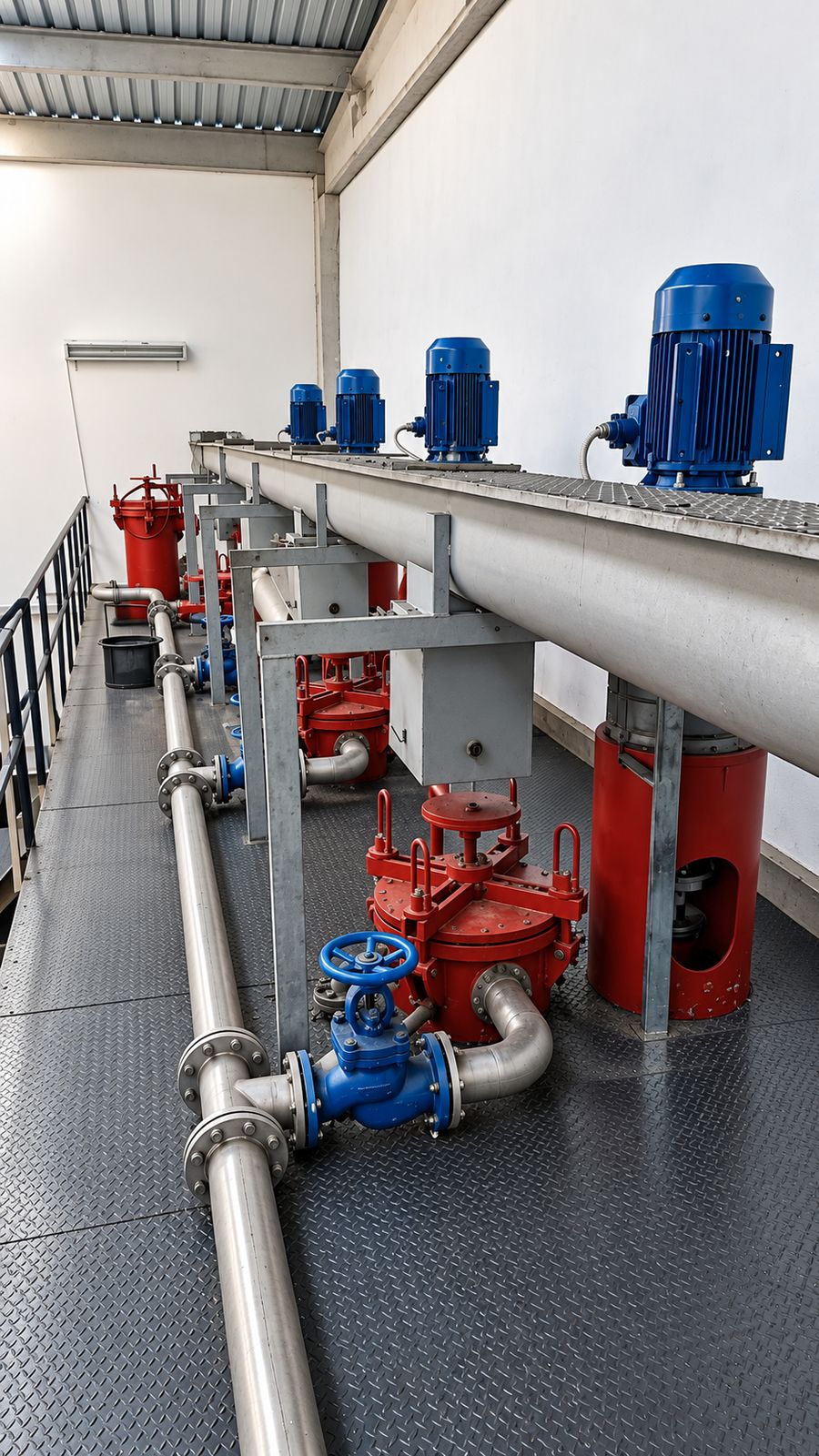
Unlike classic batch extraction plants, the Agitator – Discharge Type Batch Extraction System was developed on the principle that, at the end of the process, the meal is discharged from the extractor mechanically by a gear-driven agitator rather than blown out by steam pressure.
Developed by Özmodern Makina, the system retains the flexibility of the batch extraction process while aiming to deliver significant operational advantages, particularly in steam consumption, meal moisture, operating safety, process control, labour and product discharge.
Thanks to its gear-driven agitator and mechanical discharge design, the system can be engineered to process sunflower, rapeseed, olive pomace, corn derivatives and other oil-bearing raw materials suitable for extraction.
The Key Difference
In classic blow-out batch extraction systems, once hexane washing and desolventizing are complete, the meal in the extractor is discharged quickly using steam pressure.
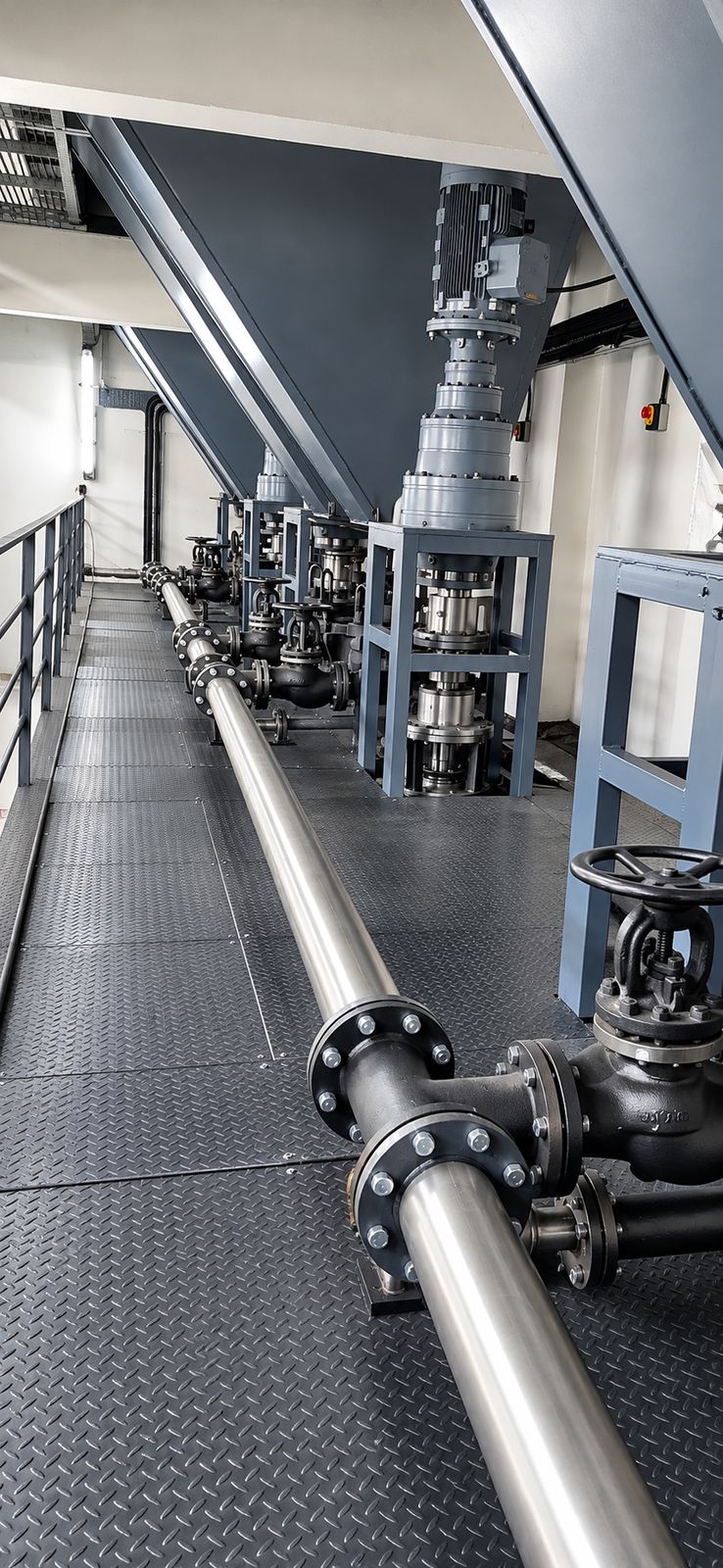
In the Agitator – Discharge Type system, no steam pressure is needed to empty the extractor. The product inside the extractor is directed to the discharge point by the blades of the gear-driven agitator and discharged mechanically and in a controlled manner.
Depending on the plant layout, the discharged meal can be transferred directly to a screw conveyor, chain conveyor or other suitable conveying system below the extractor. The product can thus be transferred quickly and in a controlled way to the meal store, storage area or the relevant downstream point without waiting and without operator intervention.
With this design, discharging the extractor and conveying the product to the storage area take place in a single process flow. Especially in plants with several extractors, it helps keep discharge and conveying operations orderly, reduces manual product handling and makes more efficient use of labour.
This design difference affects not only the discharge method; it creates a process advantage that directly influences steam consumption, meal moisture, process control, operating safety, labour requirements and product transfer.
Key Features
- Mechanical discharge instead of steam blow-out
- Steam savings
- Lower meal moisture
- Pressure-free, controlled discharge
- Residual oil and hexane check before discharge
- Ability to continue the process when required
- Ability to process different oil-bearing raw materials
- Less operator intervention
- Direct discharge of meal onto the conveyor system
- Fast, controlled automatic transfer to the storage area
- Less manual product handling
- Lower labour requirement
- Batch process flexibility
- Control of oil losses
Key Operational Benefits
Steam-Saving Production
In blow-out systems, additional steam pressure must be built up inside the extractor to discharge the meal at the end of the process. In the Agitator – Discharge Type system, discharge is mechanical, so there is no need to pressurize the extractor with steam for discharge. Especially in plants running many batch cycles, this helps reduce steam consumption and the related energy costs.
Possibility of Lower-Moisture Meal
Not using additional steam pressure for discharge helps reduce the extra water load that may be carried into the meal during discharge, supporting the production of lower-moisture meal. This is an advantage particularly in protein meal production, as it limits the effect of unnecessary moisture on the dry matter and protein values of the product.
Pressure-Free Mechanical Discharge and Operating Safety
One of the system's key differences is that the extractor does not need to be pressurized with steam for meal discharge. Discharging the meal in a controlled manner with the gear-driven agitator eliminates the pressurized blow-out operation and contributes to more controlled operation and a safer production approach.
You Don't Have to Discharge Before Checking the Result
One of the most important advantages of the Agitator – Discharge system is that the batch time can be extended according to the process result. At the end of the planned washing and hexane removal steps, a sample can be taken from the extractor to check the residual oil and residual hexane values of the meal.
If the analysis shows that the residual oil is above the target value or that hexane has not been sufficiently removed, the extractor can be returned to operating conditions and washing and/or desolventizing can be continued for as long as needed.
Once the target values are reached, mechanical discharge is started. This feature turns the system from a purely time-based batch process into one where process time can be managed according to the measured product result.
Control over the Target Residual Oil Value
Raw material properties are not always the same. The oil content, particle structure and moisture of the press cake and the distribution of hexane in the product can vary.
A fixed extraction time may not give the same result for every batch. Being able to extend the process time when needed gives the operator additional process control to bring the residual oil in the meal down to the target level.
Control over Residual Hexane
Similarly, if hexane above the target value is detected in the product at the end of the desolventizing time, hexane removal can be continued before the product is discharged. In this way, not only residual oil but also residual solvent in the meal can be checked before discharge.
Flexibility to Process Different Oil-Bearing Raw Materials
The gear-driven agitator and controlled mechanical discharge system allow the extractor to be configured for sunflower, rapeseed, olive pomace, corn derivatives and other suitable oil-bearing raw materials, rather than being tied to a single product. When the raw material changes, process parameters such as the number of washes, solvent quantity, contact time and desolventizing time can be readjusted to the product properties.
Controlled, Direct Transfer of Meal
Once extraction and desolventizing are complete, the agitator system is started and the meal can be transferred in a controlled manner to the discharge and conveying system. The discharged product can then be transferred via conveyors to the relevant meal storage area or the next process without unnecessary waiting.
Fewer Operators and Lower Labour Requirement
By running mechanical discharge, product transfer and process sequencing together with a suitable automation system, manual interventions can be reduced. Especially in plants with several extractors, this helps operations run more smoothly and reduces labour requirements.
Process Flexibility of the Batch System
One of the key advantages of the batch system is that the number of washes, solvent quantity, extraction time and desolventizing time can be changed for different raw materials or changing product properties. The Agitator – Discharge design combines this flexibility with mechanical discharge and pre-discharge product checks, giving the plant the ability to manage the process according to the product result.
Controlled Oil Loss and Higher Oil Recovery
By extending the extraction time when needed, adapting the washing process to the raw material and checking meal values before discharge, the aim is to keep oil lost with the meal under control and increase total oil recovery.
This advantage matters because, as the daily volume of raw material processed increases, even small differences in residual oil can create economic value in the plant's total oil production.
Gallery
Let's bring your project to life together
If you are looking for a reliable, experienced and solution-oriented partner for your vegetable oil plant, get in touch with us.